Modern Fragrance Trends and Changing Consumer Preferences in the Global Perfume Industry

1. The Evolution of Modern Fragrance Trends in Today’s Perfume Market
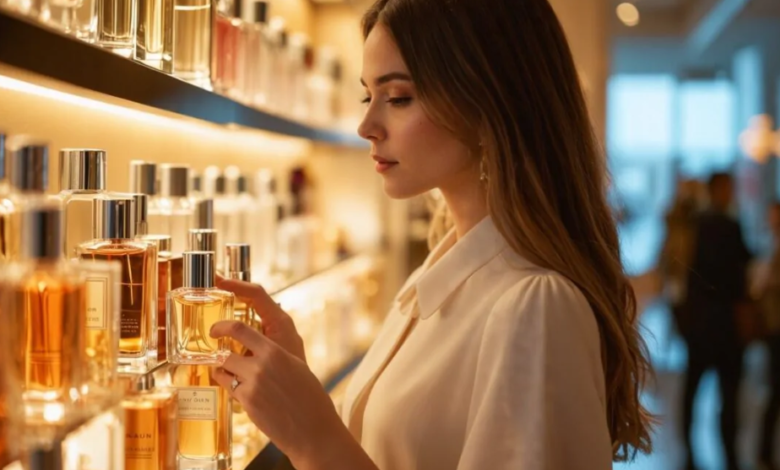
Modern fragrance trends have shifted significantly from the traditional perfume preferences of past decades. Earlier, consumers often leaned toward heavy, long-lasting signature scents that defined personal identity. Today, however, the fragrance market is far more dynamic, with trends changing rapidly based on lifestyle, fashion, wellness awareness, and social media influence. Consumers are no longer satisfied with a single “forever scent.” Instead, they prefer variety, experimentation, and personalization.
One of the most noticeable changes is the rise of niche and artisanal fragrances. These perfumes focus on unique scent compositions rather than mass appeal, attracting consumers who want individuality. Unlike mainstream designer perfumes, niche fragrances often tell a story or evoke a specific emotion, making them more appealing to modern buyers who value authenticity and creativity.
Another major trend is the influence of minimalism in fragrance design. Clean, soft, and subtle scents are increasingly popular, especially among younger consumers who prefer understated elegance over overpowering perfumes. This shift reflects broader lifestyle trends where simplicity, wellness, and mindfulness are becoming central values.
Seasonal and mood-based fragrance usage has also gained popularity. Instead of sticking to one perfume year-round, consumers now switch scents based on weather, occasion, or emotional state. This flexible approach to fragrance usage highlights how deeply personal and situational scent preferences have become.
2. Changing Consumer Preferences and the Rise of Personal Expression
Consumer preferences in the fragrance industry are evolving toward greater self-expression and individuality. Modern buyers see perfumes not just as beauty products but as extensions of their personality. This shift has encouraged brands to develop more diverse scent portfolios that cater to different identities, moods, and cultural backgrounds.
One key factor driving this change is the demand for customization. Many fragrance houses now offer personalized perfume services, allowing customers to create custom blends that reflect their unique taste. This level of personalization was once considered a luxury but is now becoming increasingly mainstream due to technological advancements and consumer demand.
Transparency is another major preference among today’s fragrance users. Consumers are more aware of ingredients and are actively seeking clean, safe, and ethically sourced products. Terms like “cruelty-free,” “vegan,” and “natural ingredients” are no longer optional marketing claims but essential purchase factors.
Additionally, there is a growing preference for gender-neutral fragrances. Traditional divisions between masculine and feminine scents are fading, giving rise to unisex perfume that focus purely on scent composition rather than gender identity. This inclusivity reflects broader cultural changes in how people perceive identity and self-expression.
3. The Influence of Social Media and Digital Culture on Fragrance Choices
Social media platforms have completely transformed how consumers discover and choose fragrances. Platforms like Instagram, TikTok, and YouTube play a crucial role in shaping fragrance trends through reviews, influencer marketing, and viral scent recommendations. A single viral video can dramatically increase demand for a specific perfume within days.
Influencers and fragrance reviewers have become key opinion leaders in this space. Their detailed breakdowns of scent notes, longevity, and performance help consumers make more informed decisions. This shift has made fragrance purchasing more research-driven rather than purely brand-driven, as buyers rely heavily on peer opinions and real-life testing experiences.
Digital storytelling also plays a major role in modern fragrance marketing. Brands now focus on creating emotional narratives around their perfumes, often highlighting themes like romance, adventure, or luxury lifestyles. These stories help consumers connect emotionally with scents before even smelling them.
Online shopping has further changed consumer behavior by making fragrance discovery more accessible. Virtual sampling tools, AI-based recommendations, and detailed product descriptions allow customers to explore perfumes without physically visiting stores. This convenience has expanded the global fragrance market and introduced consumers to a wider variety of scent profiles than ever before.
See also: Fashion Keyword Insight Portal Fitness Clothing Revealing Clothing Related Search Trends
4. Sustainability and Ethical Values Shaping Fragrance Industry Trends
Sustainability has become one of the most important drivers of change in modern fragrance trends. Consumers are increasingly concerned about the environmental impact of their purchases, and the fragrance industry has responded with eco-friendly packaging, responsibly sourced ingredients, and sustainable production methods.
Many brands are now focusing on reducing plastic use and switching to recyclable or refillable bottles. This shift not only appeals to environmentally conscious buyers but also aligns with global efforts to reduce waste and carbon footprints. As a result, sustainability is no longer a niche concern but a mainstream expectation.
Ethical sourcing of raw materials is another key factor influencing consumer preferences. Ingredients such as sandalwood, vanilla, and jasmine are now often sourced through fair-trade practices to ensure environmental protection and support for local communities. This ethical approach adds value to the fragrance beyond its scent profile.
Furthermore, consumers are showing strong interest in transparency regarding production processes. They want to know where ingredients come from, how they are processed, and whether the brand follows ethical labor practices. This demand for accountability has pushed fragrance companies to become more open and responsible in their operations.
5. The Future of Fragrance: Innovation, Technology, and Personalized Experiences
The future of fragrance is being shaped by innovation and advanced technology. Artificial intelligence is now being used to analyze consumer preferences and create personalized fragrance recommendations. This allows brands to match individuals with scents that closely align with their emotional and sensory profiles.
Another emerging trend is the use of smart fragrance technology. Some companies are developing wearable scent devices and digital scent diffusers that can change fragrances based on time, mood, or environment. This blending of technology and perfumery is opening new possibilities for how people experience scent in daily life.
Virtual reality and augmented reality are also being explored in fragrance marketing. These technologies allow consumers to engage with immersive brand experiences that simulate scent environments through visual and sensory storytelling. While still in early stages, these innovations point toward a more interactive future for fragrance discovery.
Ultimately, the fragrance industry is moving toward a highly personalized, sustainable, and technology-driven future. Consumers will have more control than ever over how they choose, experience, and wear scents. As preferences continue to evolve, brands that adapt to these changes will remain at the forefront of the global fragrance market.