
Food Ingredient Research Hub Food Additives Tondafuto Exploring Additive Related Queries

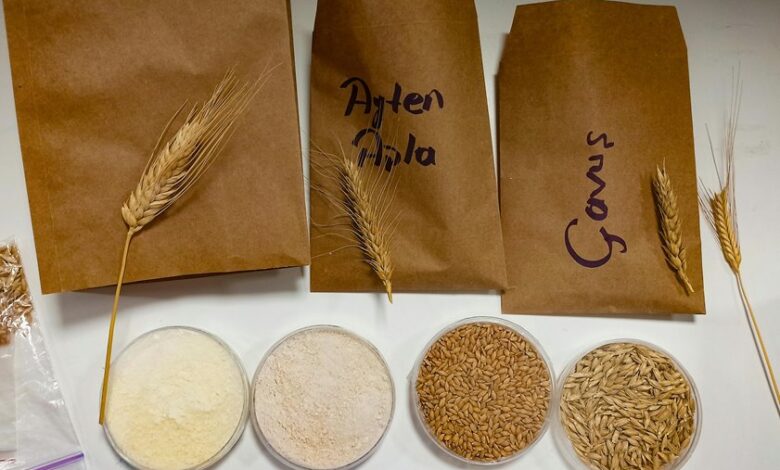
The Food Ingredient Research Hub at Tondafuto approaches additives with a structured, evidence-based lens. It weighs safety, shelf stability, and labeling implications against regulatory standards and market realities. Natural versus synthetic debates inform interpretation, while quality, testing, and transparency practices anchor conclusions. By linking baseline criteria to reproducible results, the hub presents a clear framework for practical decisions from research to shelf. The next step questions how these factors interact in real-world product development.
What Additives Do: A Practical Baseline for Tondafuto
What functions do additives serve in modern food systems, and how can a practical baseline for Tondafuto be established? Additives enable consistency, safety, and shelf stability, supporting supply chains and appeal. A baseline relies on transparent criteria, measured by taste testing and reproducibility. Consider labeling implications, consumer perception, and objective efficacy data to ensure balanced, evidence-based conclusions without sacrificing freedom or rigor.
How Regulators Shape What We Eat: Labels, Safety, and Claims
Regulatory frameworks shape the food landscape by defining what constitutes safe ingredients, how products are labeled, and what claims manufacturers may make. In this analysis, agencies set thresholds, testing standards, and monitoring practices that influence consumer choice and market dynamics. The focus on regulatory labeling and safety claims reflects evidence-based governance balancing risk, transparency, and personal freedom to evaluate product information.
Natural vs Synthetic: Debates, Data, and Real-World Tradeoffs
The natural versus synthetic debate centers on how processing, sourcing, and composition influence food safety, nutrition, and consumer trust, with data from toxicology, environmental science, and dietary studies informing the discourse. This analytical assessment weighs natural debates against synthetic tradeoffs, emphasizing data interpretation to illuminate real world implications for policy, industry, and personal choice within evolving regulatory landscapes.
From Research to Shelf: Evaluating Additive Quality, Testing, and Transparency
From research to shelf, the path of additives hinges on rigorous quality assessment, validated testing, and transparent disclosure, aligning science-driven standards with practical manufacturing realities. This analysis evaluates how scientific testing informs safety profiles, how labeling transparency shapes regulatory impact and consumer perception, and how standardized criteria reconcile objective evidence with industry feasibility, guiding informed decisions across production, oversight, and marketplace trust.
Conclusion
Thus, the hub’s conclusions emerge through careful, consistent, cross-checked evaluation. Baselines benchmark benefits, while hazards and variability temper enthusiasm, guiding trustworthy decisions. Regulatory rigor, transparent testing, and labeled clarity cohere into comprehensible conclusions about safety and shelf stability. Natural and synthetic options are weighed with data, debate, and pragmatic tradeoffs, enabling evidence-based recommendations. Through disciplined documentation and reproducible methods, stakeholders gain confidence in additive use, labeling integrity, and consumer protection, fostering transparent, traceable supply chains.