

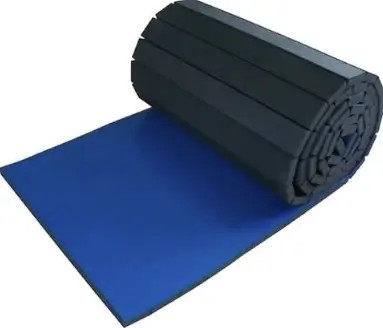
When comparing cushioning and protective foam materials, the question of EVA foam vs XPE foam comes up frequently among buyers trying to determine which option best suits their specific application. Understanding the key differences between these two popular foam types helps guide a more informed material selection decision.
Basic Composition Differences
EVA, or ethylene-vinyl acetate foam, is produced from a copolymer resin known for its flexibility and rubber-like feel, while XPE, or cross-linked polyethylene foam, involves a chemical or radiation-based cross-linking process that creates a denser, more uniform cell structure with distinct performance characteristics.
Comparing Density and Cell Structure
XPE foam generally features a finer, more uniform closed cell structure compared to standard EVA foam, which often translates into better dimensional stability and more consistent cushioning performance across the material, particularly for applications requiring precise, repeatable specifications.
Durability and Compression Set Resistance
XPE foam typically demonstrates better resistance to compression set, meaning it more effectively returns to its original thickness after repeated compression, compared to standard EVA foam, which can be an important consideration for applications involving frequent or sustained pressure.
Cost Considerations Between the Two Materials
EVA foam generally carries a lower material cost compared to XPE foam, reflecting the more complex cross-linking manufacturing process involved in producing XPE. Buyers should weigh this cost difference against the specific performance advantages relevant to their application.
Application-Specific Suitability
EVA foam remains popular for footwear midsoles, yoga mats, and general cushioning applications where cost-effectiveness and flexibility are priorities, while XPE foam is often favored for automotive interior components, sports equipment padding, and applications demanding superior durability and consistency.
See also: Technical Term Research Guide Ecmoinstans Explaining System Related Searches
Comparing Both Options for Your Application
Buyers deciding between these materials for a specific project can review the technical specifications and application guidance offered through a EVA foam vs XPE foam comparison to better understand which material aligns with their performance and budget priorities.
Environmental and Manufacturing Considerations
The cross-linking process used in XPE foam production can make recycling more complex compared to standard EVA foam, which is a consideration for buyers with sustainability requirements built into their sourcing criteria.
Frequently Asked Questions
Which foam type offers better long-term durability, EVA or XPE? XPE foam generally offers better compression set resistance and dimensional stability over time, making it more durable for applications involving repeated or sustained pressure.
Is EVA foam always the cheaper option? Generally yes, EVA foam typically carries a lower material cost than XPE foam, reflecting the simpler manufacturing process compared to the cross-linking involved in XPE production.
Which foam type is better for footwear applications? EVA foam remains the more common choice for footwear midsoles due to its flexibility, lighter weight, and cost-effectiveness, though some performance footwear incorporates XPE for specific support characteristics.
Final Thoughts
Choosing between EVA foam and XPE foam ultimately comes down to balancing cost against the specific durability and performance requirements of a given application. Understanding these core differences helps buyers make a more confident material selection for their particular project.