
Introduction to Modular Data Center Container Technology
In today’s digital-first world, businesses depend heavily on fast, reliable, and scalable IT infrastructure. Traditional data centers, while powerful, often take months or even years to design and build. This is where the modular data center container becomes a game-changing solution.
A modular data center container offers a pre-engineered, self-contained data center solution that can be deployed quickly almost anywhere. It is designed to support modern computing needs such as cloud services, edge computing, big data, and artificial intelligence. As organizations look for faster deployment and lower costs, containerized data centers are becoming increasingly popular across industries.
What Is a Modular Data Center Container?
Definition and Core Concept
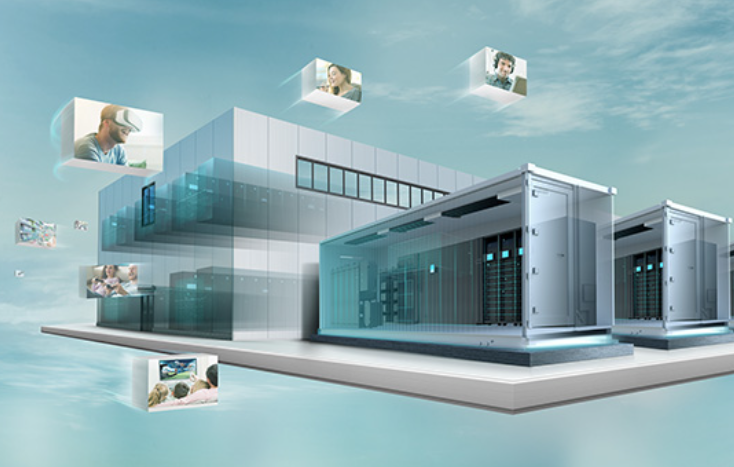
A modular data center container is a prefabricated, portable data center housed inside a standard shipping container or custom enclosure. It includes all essential components such as servers, networking equipment, power systems, cooling units, and security features.
These containers are built and tested in a factory environment, then shipped to the desired location for rapid deployment. Once on-site, they only need minimal setup before becoming fully operational.
Evolution of Containerized Data Centers
Containerized data centers first emerged to support military and emergency operations. Over time, advancements in cooling, power efficiency, and remote monitoring transformed them into reliable solutions for commercial use. Today, they are widely used by enterprises, telecom providers, and cloud service companies.
See also: Reverse Mortgages vs. HELOCs: Understanding Key Differences to Maximize Home Equity
Key Components of a Modular Data Center Container
IT Racks and Server Infrastructure
At the heart of every modular data center container are standardized IT racks that house servers, storage devices, and networking equipment. These racks are designed for high-density computing and easy maintenance.
Power Distribution and Backup Systems
Reliable power is critical. Modular containers include power distribution units (PDUs), uninterruptible power supplies (UPS), and sometimes generators. These systems ensure continuous operation even during power outages.
Cooling and Thermal Management
Efficient cooling systems, such as in-row cooling or liquid cooling, help maintain optimal temperatures. Smart airflow design reduces energy consumption and improves equipment lifespan.
Physical Security and Monitoring
Security features often include access control systems, surveillance cameras, fire detection, and environmental sensors. These systems protect sensitive data and equipment at all times.
How a Modular Data Center Container Works
Factory-Built Design and Pre-Integration
The entire modular data center container is assembled, configured, and tested at the factory. This controlled environment ensures higher quality and fewer on-site errors.
Transportation, Installation, and Commissioning
Once completed, the container is transported to the site by truck, rail, or ship. Installation typically takes days instead of months, making it ideal for urgent deployments.
Benefits of Using a Modular Data Center Container
Rapid Deployment and Time Savings
One of the biggest advantages is speed. Organizations can deploy IT infrastructure in weeks rather than months.
Scalability and Flexibility
Modular containers can be added or removed as demand changes. This makes scaling simple and cost-effective.
Cost Efficiency and Predictable Spending
Since everything is pre-built, costs are easier to predict. There are fewer construction delays and lower labor expenses.
Energy Efficiency and Sustainability
Modern modular designs focus on energy efficiency, reducing power usage effectiveness (PUE). This supports sustainability goals and lowers operating costs.
Use Cases and Applications
Edge Computing and 5G Networks
Telecom companies use modular data center containers to support low-latency edge computing close to users.
Disaster Recovery and Business Continuity
Businesses deploy containerized data centers as backup facilities to ensure operations continue during emergencies.
Remote and Harsh Environments
Mining sites, oil fields, and military bases benefit from rugged containers that can operate in extreme conditions.
Modular Data Center Container vs Traditional Data Centers
Speed and Deployment Comparison
Traditional data centers require long planning and construction phases. Modular containers can be operational in a fraction of the time.
Space, Cost, and Maintenance Differences
Containers require less space, lower upfront investment, and simpler maintenance, making them ideal for growing organizations.
Challenges and Limitations
Space Constraints
Due to fixed dimensions, space can be limited compared to large facilities.
Customization Limits
While flexible, extreme customization may require additional modules or hybrid solutions.
Future Trends in Modular Data Center Containers
AI, Automation, and Smart Monitoring
AI-driven monitoring systems are improving efficiency and reducing downtime.
Green Data Center Innovations
Renewable energy integration and advanced cooling methods are shaping the future of containerized data centers.
For more insights on sustainable data centers, visit this external resource:
👉 https://www.datacenterknowledge.com
FAQs About Modular Data Center Container
1. What industries use modular data center containers?
Industries include IT, telecom, healthcare, finance, defense, and manufacturing.
2. How long does it take to deploy a modular data center container?
Deployment typically takes a few weeks, depending on site readiness.
3. Are modular data center containers secure?
Yes, they include physical and digital security features such as surveillance, access control, and monitoring.
4. Can modular data center containers be expanded?
Yes, additional containers can be added to increase capacity.
5. Are they energy efficient?
Modern designs focus on optimized cooling and power usage, making them highly efficient.
6. Is a modular data center container suitable for small businesses?
Absolutely. They offer a cost-effective and scalable solution for growing IT needs.
Conclusion and Final Thoughts
The modular data center container is transforming how organizations build and manage IT infrastructure. With rapid deployment, scalability, and cost efficiency, it provides a powerful alternative to traditional data centers. As technology advances and demand for flexible computing grows, modular containerized solutions will continue to play a vital role in the digital future.