The Bin Leaves — Your Liability Doesn’t: Waste Duty of Care After the Truck Drives Off

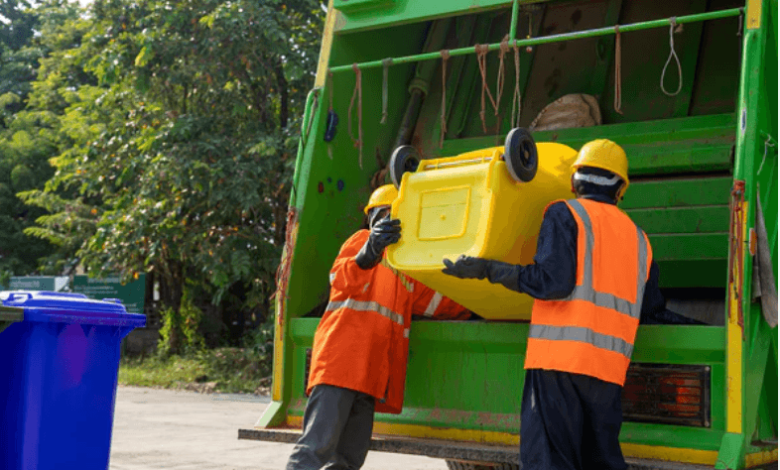
For the majority of businesses, waste collection feels like the last step in the waste disposal process. Once the bins have been emptied, and the truck drives off, it’s easy to assume that the responsibility has simply and conveniently passed on to the waste contractor.
But according to the Victorian environmental laws, that might not always be the case.
Businesses that generate waste have an ongoing responsibility to take care to ensure that it is managed properly from the moment it is created until it reaches the appropriate lawful destruction. Simply put, your legal responsibility doesn’t automatically end when someone else collects the waste.
If you have a clear understanding of this concept it should be clear to you that the effective waste management is an important aspect of your business procedures that can’t be overlooked. If you adhere to the laws it means that your business is able to reduce legal risk, protect the environment and also demonstrate compliance with Victorian regulations.
Waste Responsibility Doesn’t End at Collection
Modern waste management in Melbourne is a lot more than merely arranging for regular bin collectors.
Victorian environmental regulations place obligations on businesses to take reasonable steps to ensure that their waste is transported, handled, recycled, treated or disposed appropriately and lawfully. Just hiring a contractor doesn’t mean a business is not responsible.
If waste is illegally dumped, misclassified, or transported to an unlawful facility, the original generator might still face consequences and questions about whether they took the right steps when handing the rubbish over.
It is not just who transported the waste, but also if the waste generator exercised care throughout the process to ensure lawful waste disposal.
Types of Different Waste
Not every waste stream carries the same level of responsibility. A business should understand how their waste is categorised before arranging for collection.
General waste includes everyday commercial rubbish that doesn’t need special handling like office waste, packaging materials, food waste, and general non-hazardous rubbish.
Although general waste is less regulated than toxic waste, businesses still must follow their obligation to ensure that it is collected and disposed properly.
Industrial waste is usually generated through different processes related to manufacturing, construction, processing, mechanical work, and other commercial activities. Examples include construction debris, chemical residues, manufacturing by products, oily materials, and industrial sludge. These materials usually need specialised handling and transportation.
Some waste streams are classified as priority waste because they pose higher environmental or human health risks such as contaminated soil, certain chemicals, solvents, hazardous liquids, and some medical and industrial garbage.
Priority waste is subject to more stringent controls, documentation requirements, and proper disposal pathways. It is important to note that the correct classification of waste is the foundation of compliant waste management.
Why the Cheapest Collection Might Not be the Best
Price is usually an important consideration businesses take into account when choosing a waste contractor. But selecting a provider based solely on cost could create unexpected risks. If a contractor illegally dumps waste, misclassifies materials, uses unauthorized disposal facilities, fails to follow transport regulations and mixes incompatible waste streams this might mean that this contractor might cause more problems than solve them.
A business that generated the waste must demonstrate that it took reasonable steps selecting and engaging that contractor.
A suspiciously low quote might indicate cutting corners in the overall waste disposal process. The real cost of improper waste management could usually extend beyond the original waste collection cost.
See also: Business Profile Insight Hub Conovalsi Business Exploring Verified Platform Signals
Why Documentation Creates Accountability
A compliant waste management process should create a clear chain of documentation from initial collection through to the final steps of disposal or recycling. Depending on the type of waste involved, a business might be required to keep record of waste collection invoices, transport documentation, disposal receipts, recycling certificates, waste tracking records, classification reports and transfer documentation.
These records provide evidence that the waste has been managed accordingly throughout the process. Good documentation allows businesses to come clean during environmental audits, compliance reviews and internal reporting.
It’s tempting to think that waste management has an endline but in reality it’s a long ongoing recurring process as long as a business produces waste. From identifying waste streams accurately to choosing reputable contractors and maintaining accurate records, each step of the process contributes to meeting a businesses responsibility when it comes to waste management.